This article discusses media that contains sexual content, but any explicit images have been cropped.
Introduction
I feel that the amount of living machine media actually aimed at adults is disproportionately low. This is including non commercial internet based projects like webcomics, original fiction, web video, etc. I also feel that outside this specific niche, Ratbat's comics and worldbuilding are basically entirely unknown other than occasionally as a curiosity, which is shocking to me given the quality of the work and the degree of effort put into the worldbuilding of the setting. I think that if she were to serialize it or post it as a webcomic format on a more accessible/user friendly website it would find a greater audience which I think it desperately needs.The premise is that at some point in the near-ish future, alien nanites landed on Earth and infected all vehicles, causing them to become sentient metal-based lifeforms with nanite "cells" called "dire machines". Nobody in universe, including the dire machines themselves, is aware of this being the actual origin point, and from their perspective they were all simply suddenly alive one day (this mass-awakening event was called the “Calamity”). Dire machines have been expressly shaped for communication and integration with humans in every respect. The nanites chose vehicles as vessels because of their relatability factor, and they have expressive faces for no other purpose than communication with humans. They thrive on human connection as their primary sense of purpose. More specifically, they thrive on romantic and sexual connection with humans, and have an unexplainable intrinsic drive to reproduce with them.
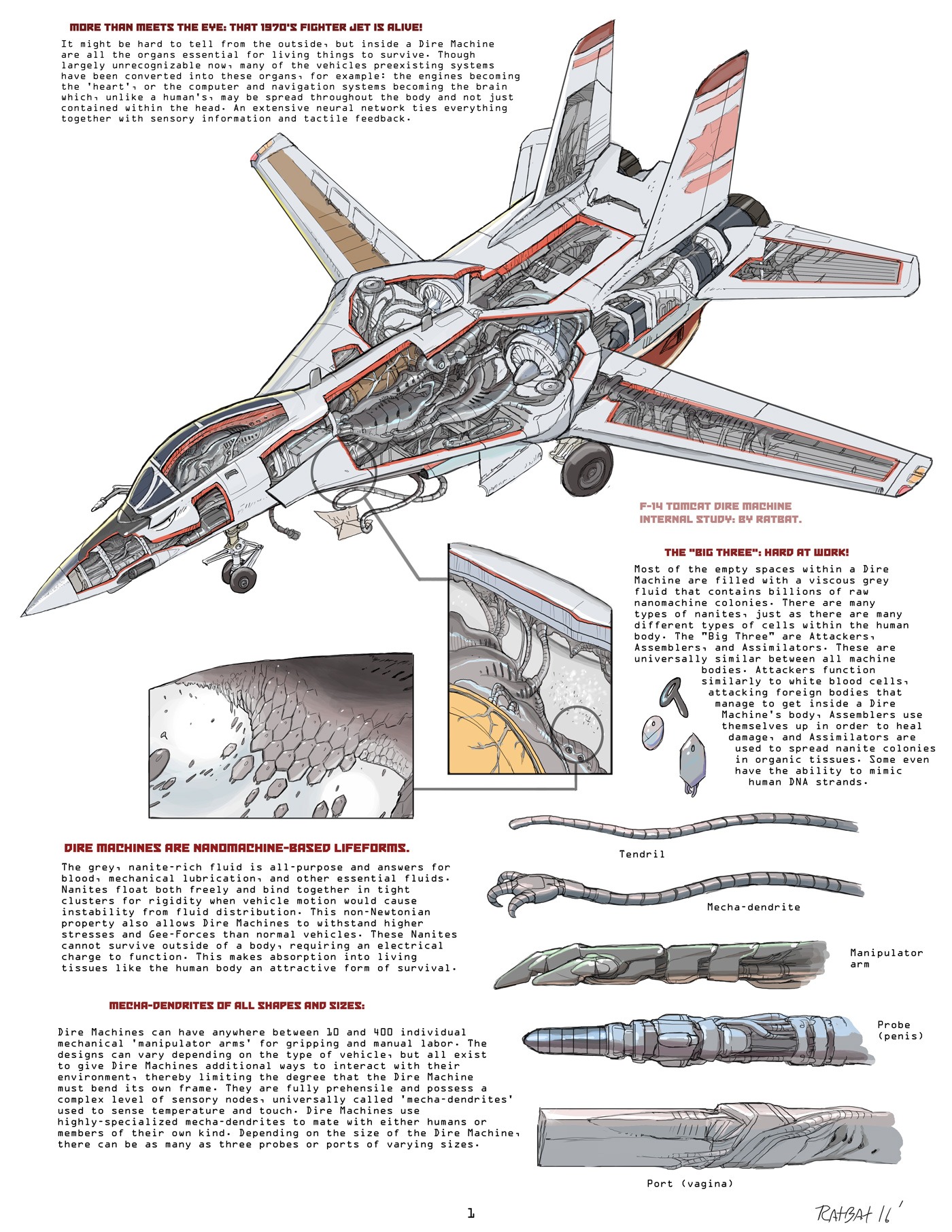
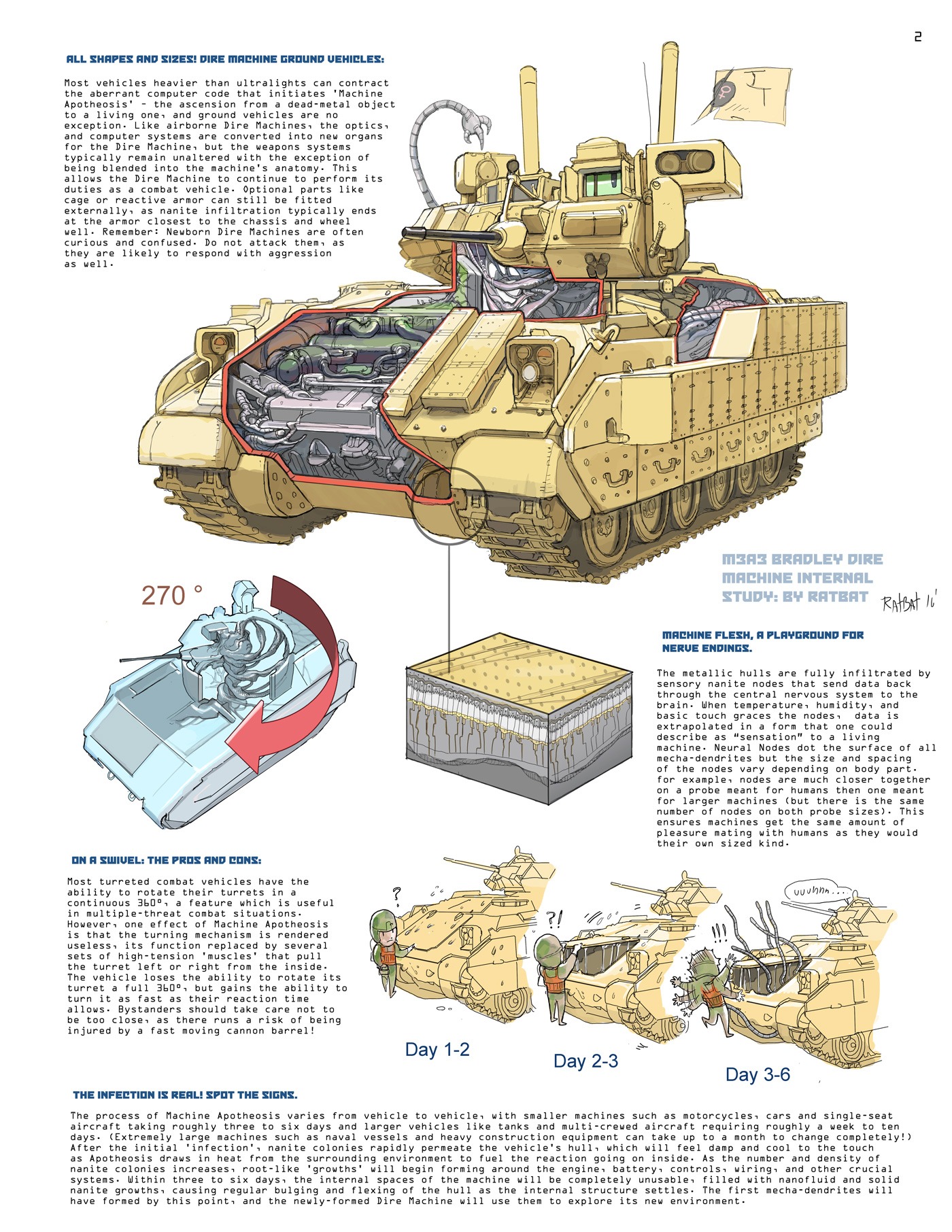
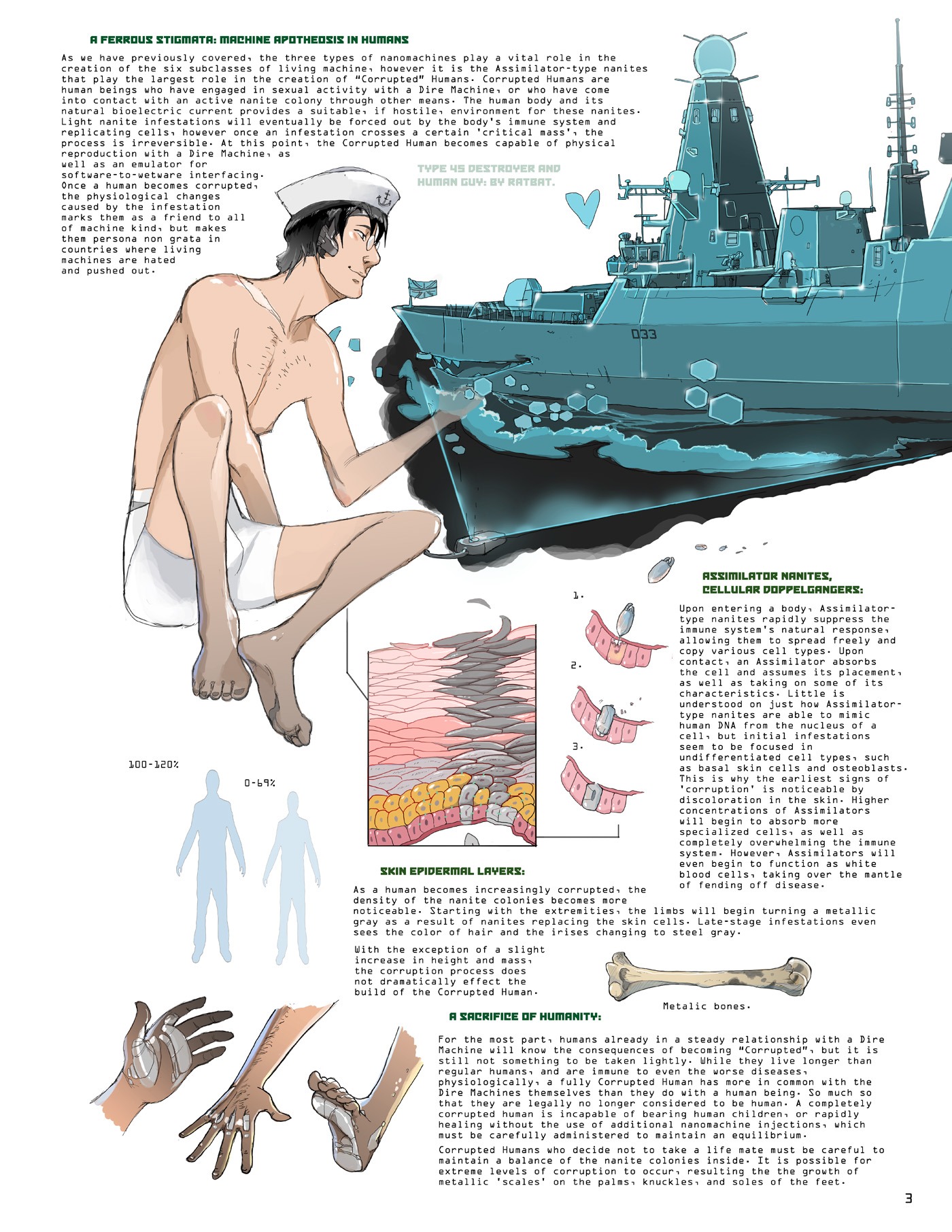
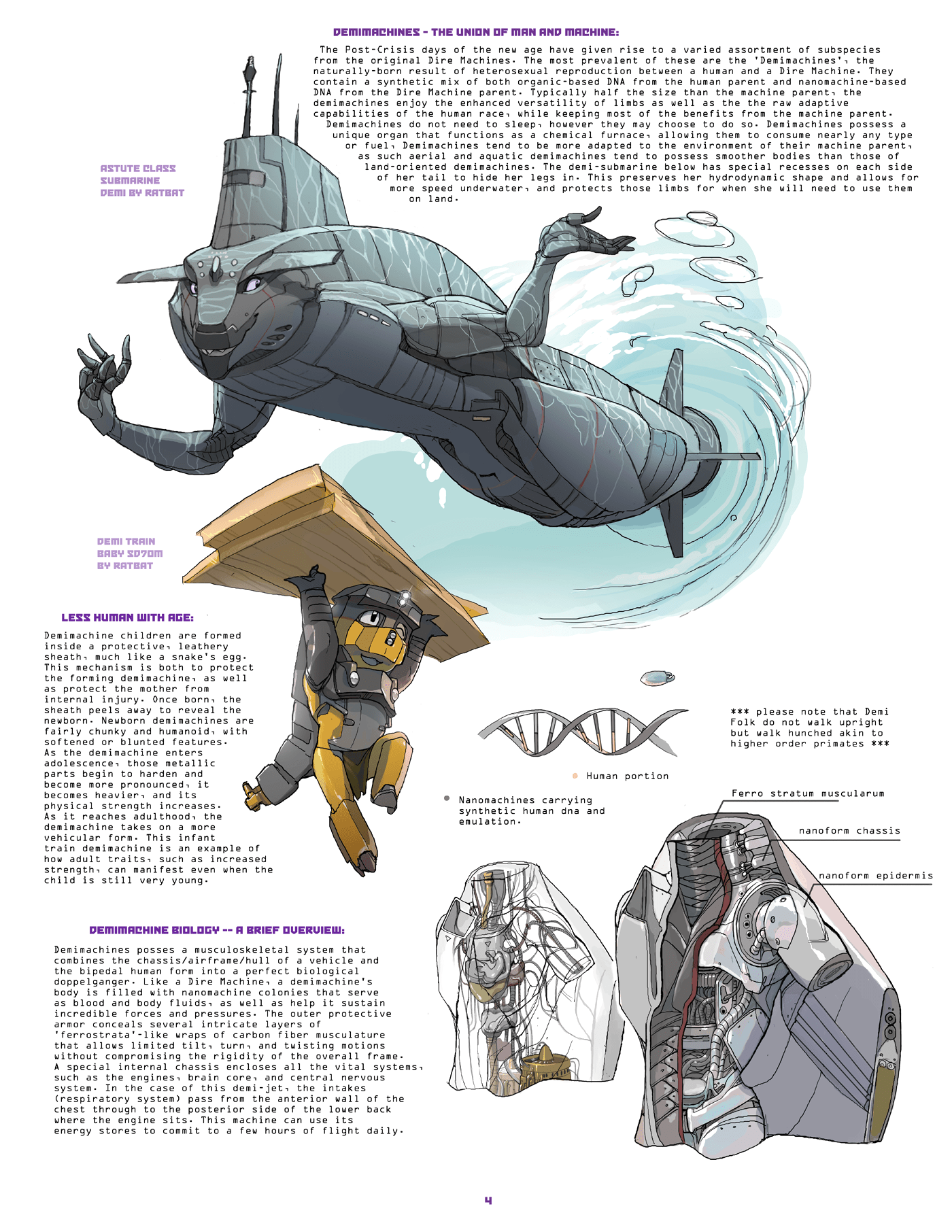
Dire machines are looking for genetic chaos. Something within them seeks to correct some very old flaw only the virus creator truly knows. But Anything with a drop of human blood, or the beating of the heart, is something the machines become unusually attracted to trying to corrupt. All machines can mate with each other, creating wild variations of new robotic vehicle forms however, the goal is unique genetic outcomes brought upon by mating with their creators. (source)Dire machines are attracted to humans in these ways the same way other humans would be and feel a drive to form emotional pair bonds with them that include physical intimacy. As a result of continued contact with nanite fluids in a relationship that is sexually active, humans will gradually have a portion of their organic cells swapped out for same-functioning nanite replacements. This enables humans and dire machines to have biological children. This is not a consciously understood plot to assimilate humanity; it is entirely framed as the natural result of countless unique relationships forming between individuals who have fallen in love with each other. In this sense, the story on a macro level is about transhumanism, but I feel it handles the concept of losing one's biological humanity to the machine with a very different emotional tone than a lot of other sci fi media that tackles this theme. The joy of transformation and the causative agent being sex with partners who are always depicted as loving and attentive creates an atmosphere of facing the future and a multitude of new shapes for humanity with positivity and a total lack of angst as imposed by the narrative.
Comics
In terms of what media Ratbat has created for this setting, there are currently four finished narrative comics collected into volumes (Atoll Lab, Calamity, Calamity B-Side, Broke), one semi-unfinished looser collection of smaller comics existing as in an in universe fictional piece of media (Prince Tomcat of Grumman), and a vast wealth of canon one-off art pieces which often elaborate on aspects of the world not yet explained in the comics.Atoll Lab
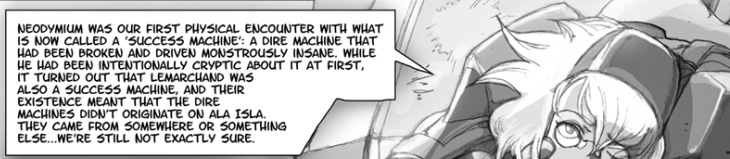
Atoll Lab is, I believe, the first longform comic written in this setting. The overall plot is difficult to describe succinctly but it centers around an experimental one-off combat aircraft dire machine named No-Name and a cyborg supersoldier woman named Rocket, who are a long term couple and giving an interview to a pair of investigative journalists (Juan Boh, human, and Dempsey of Chino, dire machine) about how they met, which was as the experiments of two clandestine weapons development programs on a remote island immediately before the Calamity. The dire machines born here were the first of their kind, before the Calamity spread to the rest of the world.The dire machine program and the supersoldier program were being run by some kind of shadowy company called Gen-U-Mine, whose highest ranking individual on the island was a man only referred to as “Bossman”. It is implied that the company, during this period of time, had possession of the artifact, called the Black Shard, that landed on Earth containing the nanites, and was using it to create the first dire machines out of ordinary vehicles as part of a top secret weapons development project. After a while, Bossman states that the company is pulling the plug on the project and that everyone is to vacate the island immediately, but he and most of the other personnel are then assassinated by an armed terrorist group. The dire machines and supersoldiers, now alone on the island, are contacted by someone over the radio identifying himself as “Lemarchand”, and are given directions on what they should do next. It is revealed that Lemarchand himself is a dire machine, specifically a space station, and is trying to get them to follow some grand plan he has, the specifics of which are never fully made clear. The island is then attacked by a monstrous warship named Neodymium, more powerful than any dire machine seen before, and it is explained that she is a “success machine”:
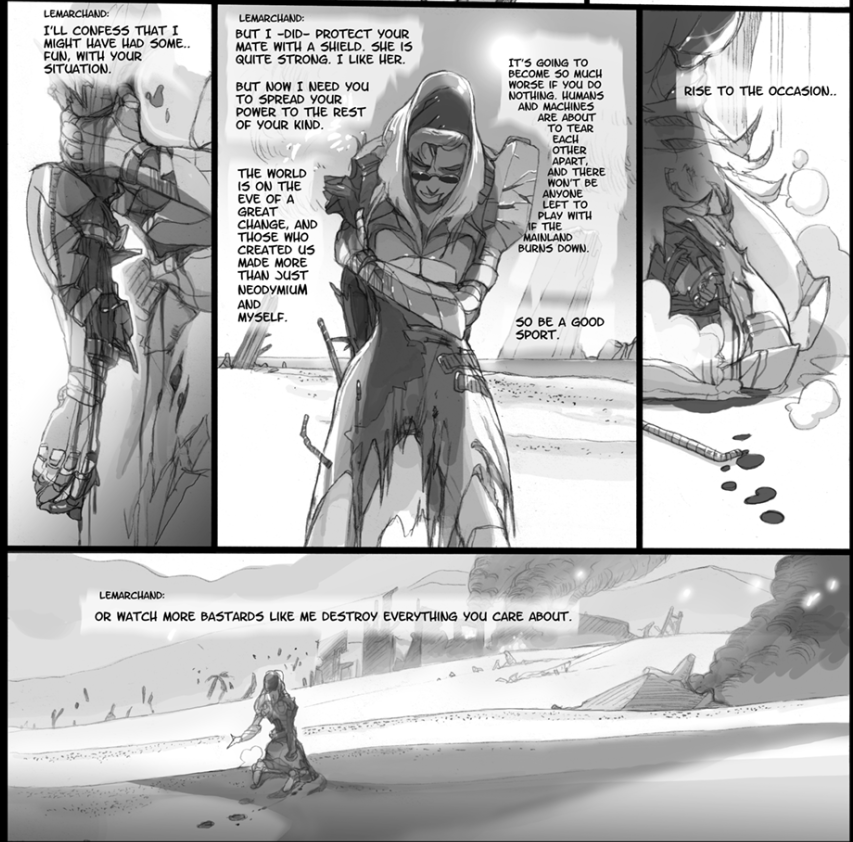
Neodymium is defeated, but there are heavy casualties, and Rocket is seriously injured. Lemarchand then declares that they must “rise to the occasion” and spread their power to others of their kind, because the world is on the eve of a great change (referring to the impending Calamity).
The machines escape the island and make landfall in Australia. By the time they arrive, the Calamity has hit worldwide, and cities are in chaos.
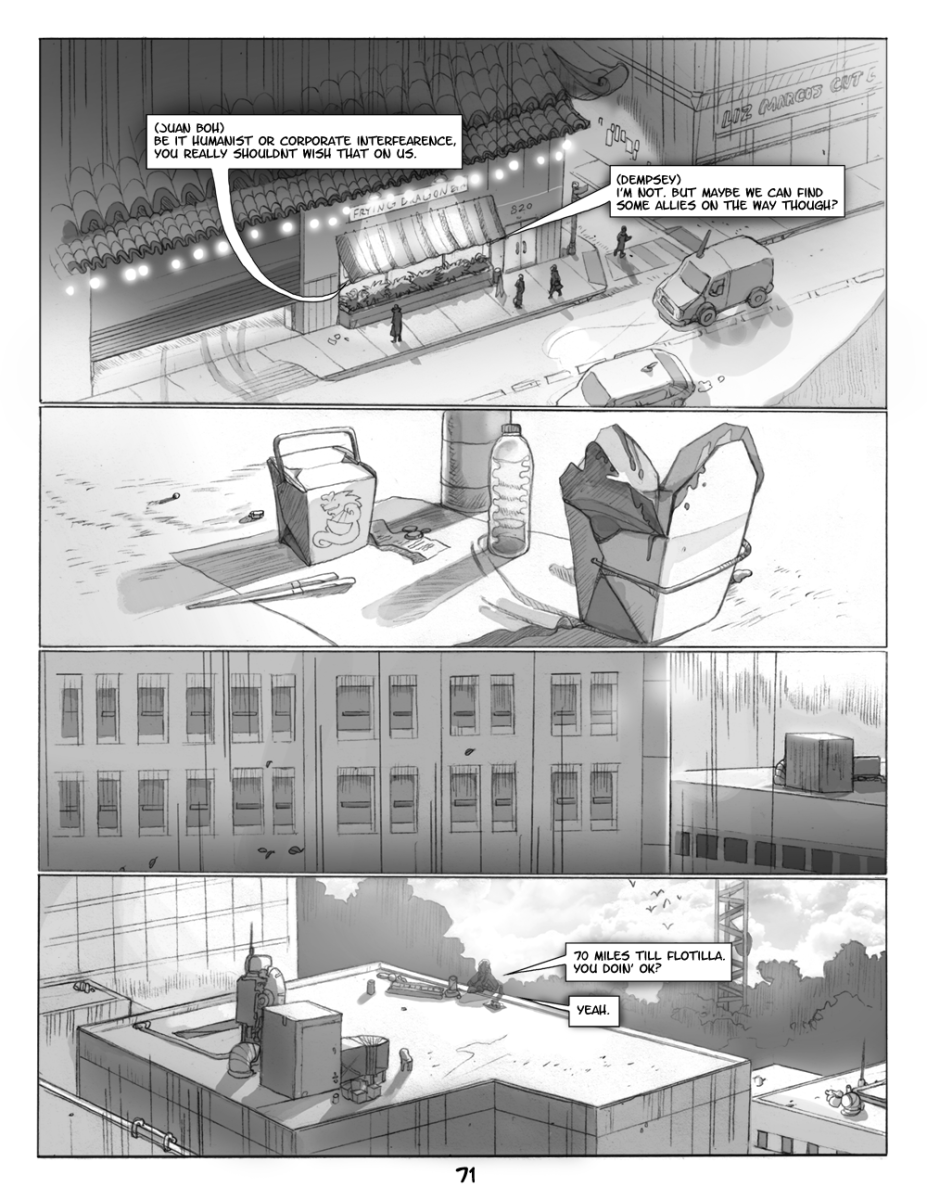
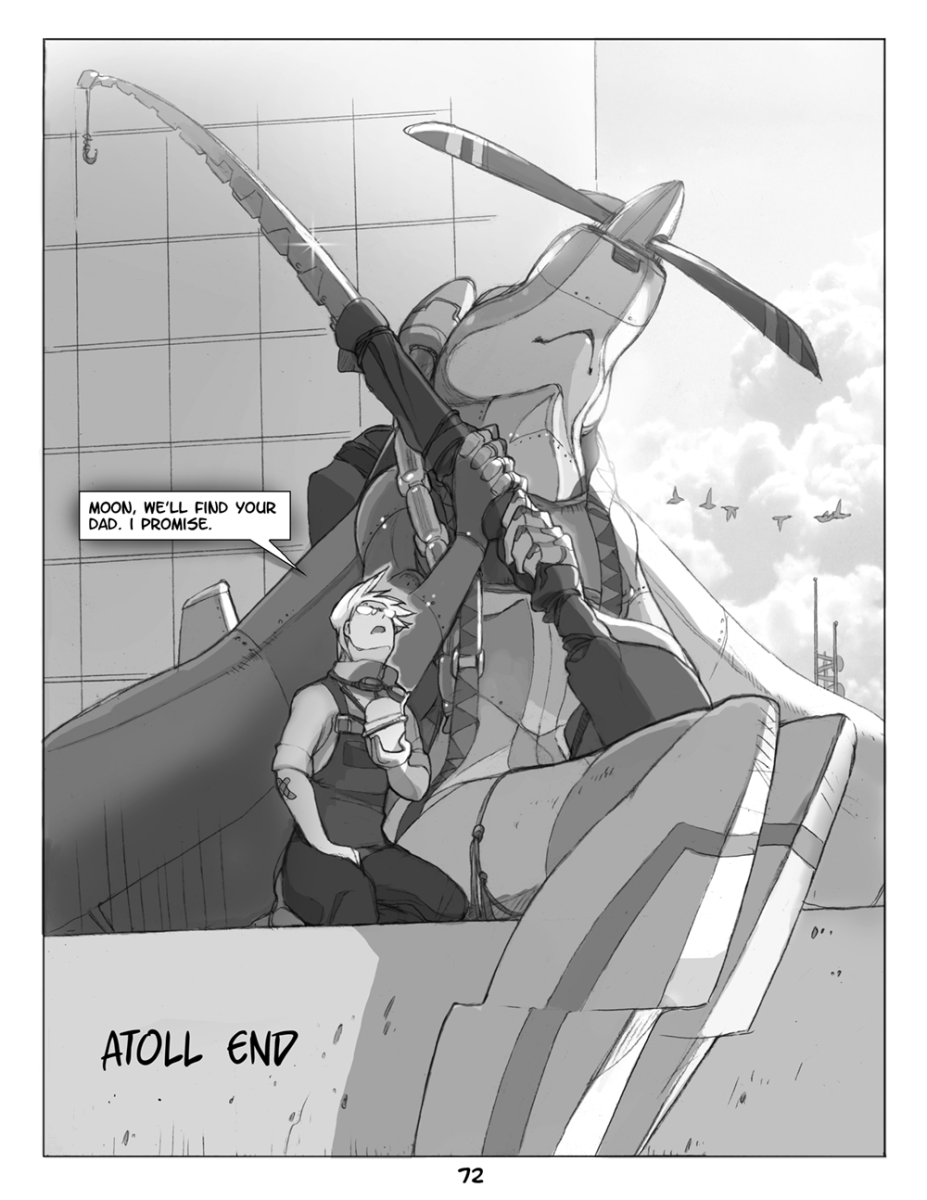
The story cuts back to Juan and Dempsey conversing about the story they have just heard. It is revealed that their prior investigations into the matter have brought to light that the machines on the island were a control group for the “success machine project”.
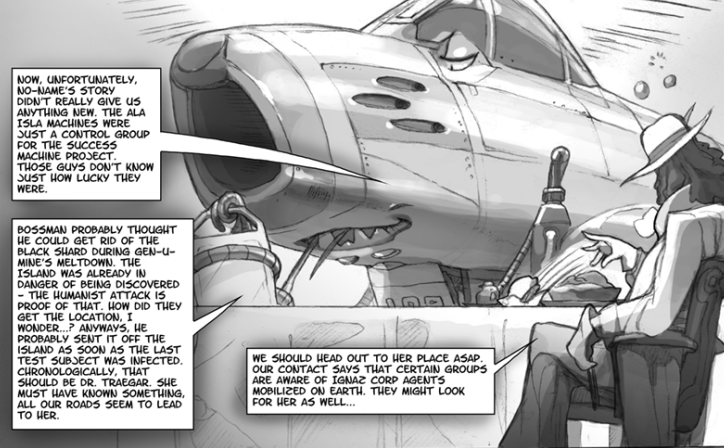
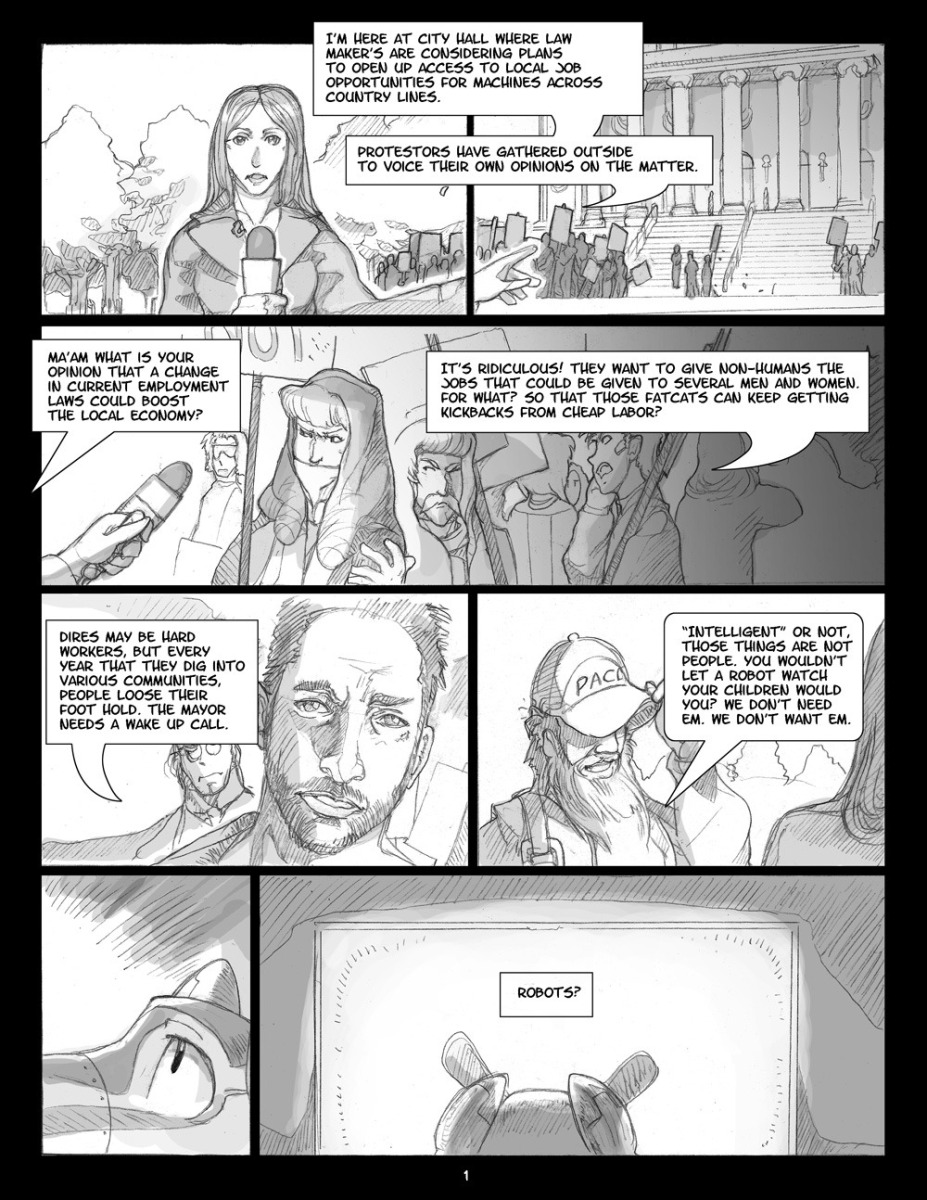
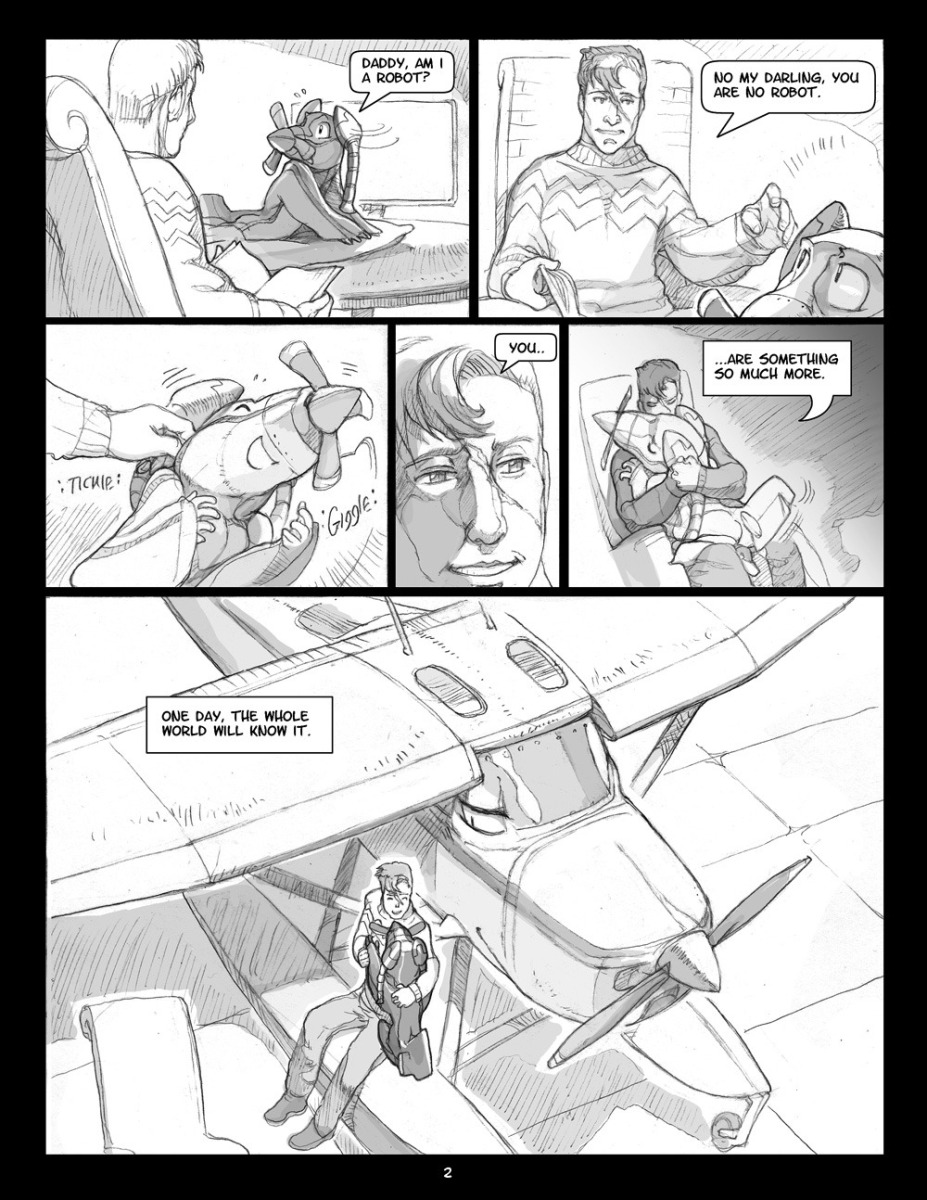
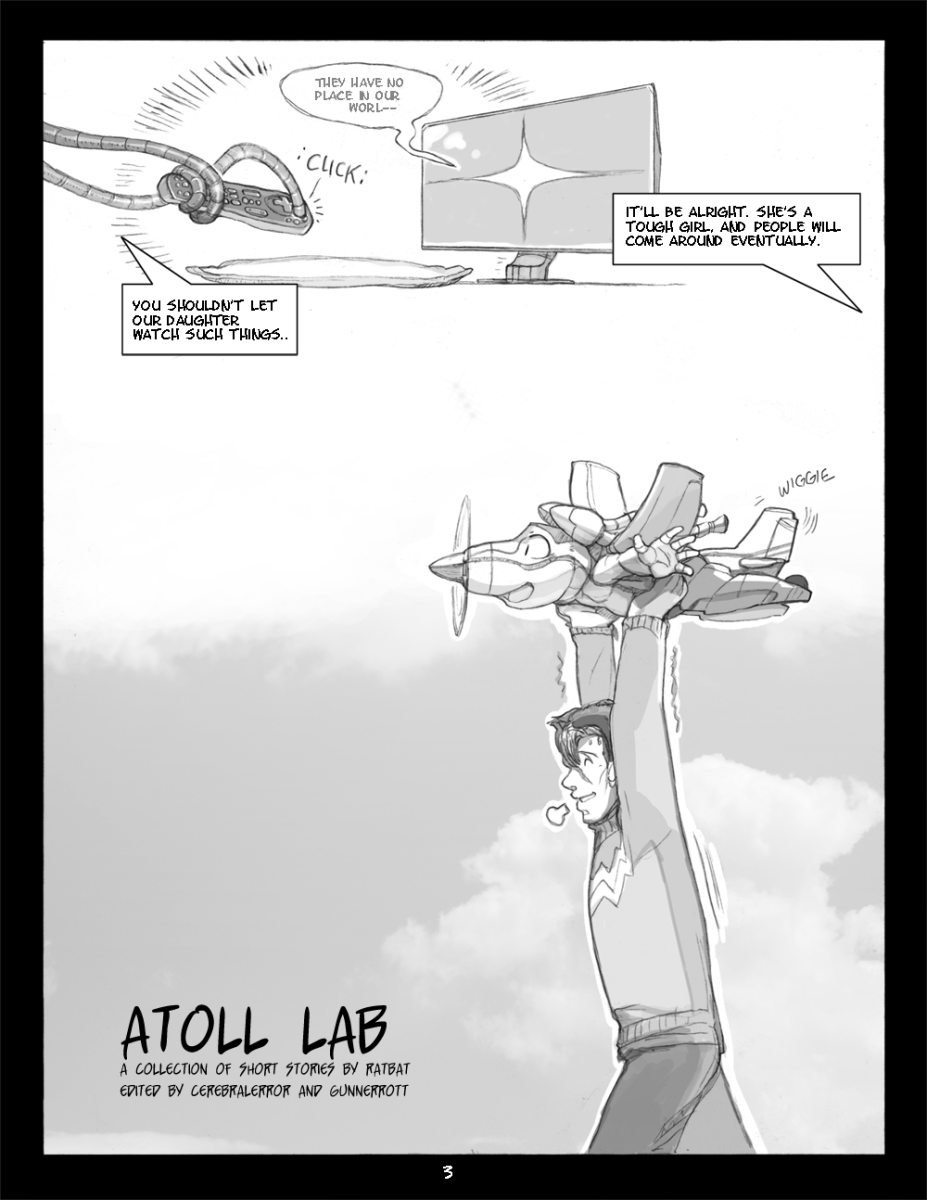
The pair then set off to continue their investigation. What I haven't mentioned yet is that this story is bookended by parts of another story. It's difficult to summarize, so I will just attach the comic pages here.
Calamity
This comic and its second part are primarily about the immediate aftermath of the Calamity. The story opens with a montage of freak accidents in a city being caused by vehicles suddenly coming to life (car crashes, planes and helicopters falling out of the sky, industry shutting down), and a state of emergency being declared in the unspecified area it takes place. It then focuses in on a man driving a truck on a phone call with his boss, the conversation revealing that he works at an airfield and is currently headed back there to pick up something he had forgotten earlier. After he arrives and exits his truck, a plane crashes on the grounds, knocking him unconscious. When he wakes up, he is seriously injured and bleeding profusely from a head injury, and his truck is gone. He stumbles to a hangar and unlocks it with his master key, and is immediately confronted by a group of newly-living single engine GA planes, who grab him and intend to interrogate him about the situation. The comic then ends on a cliffhanger.Calamity B-Side
The comic opens with the unnamed man (identified later as “Mr. Eyck”) from the first part in the cab of a dire machine fuel truck, who is on a supply run. The man expresses that he wants to go to the city, but the fuel truck declines, as she wants to stay with the planes at the airfield who she considers to be like siblings, and the city is still in chaos. However, he is still seriously injured and in need of medical attention. He is brought back to the hangar, and the planes tell him that since he is a mechanic, they want him to help another plane who is injured ("Hermano", after his nose art), and that they will let him go if he does, but that they will be watching him and will know if he causes their friend any harm. At this point, he believes he is hallucinating that vehicles are talking to him due to his head injury. Hermano has been trapped by falling debris, and an acetylene torch is needed to cut him free. While he and the rest of the vehicles search for one around the airfield, he expresses again that he thinks he is experiencing some kind of dissociative episode/hallucination. As he works on cutting Hermano free, his injuries catch up to him, and he collapses, in critical condition and near death without immediate medical attention. One of the planes ("Caldera") takes him to an adjacent hangar to attempt to treat him, but she is unable to do anything to heal his organic body, and it becomes necessary to give him a dose of nanites in order to repair him mechanically the way dire machines heal themselves. Because this is at its core fetish based worldbuilding, the dose is given through having sex with him.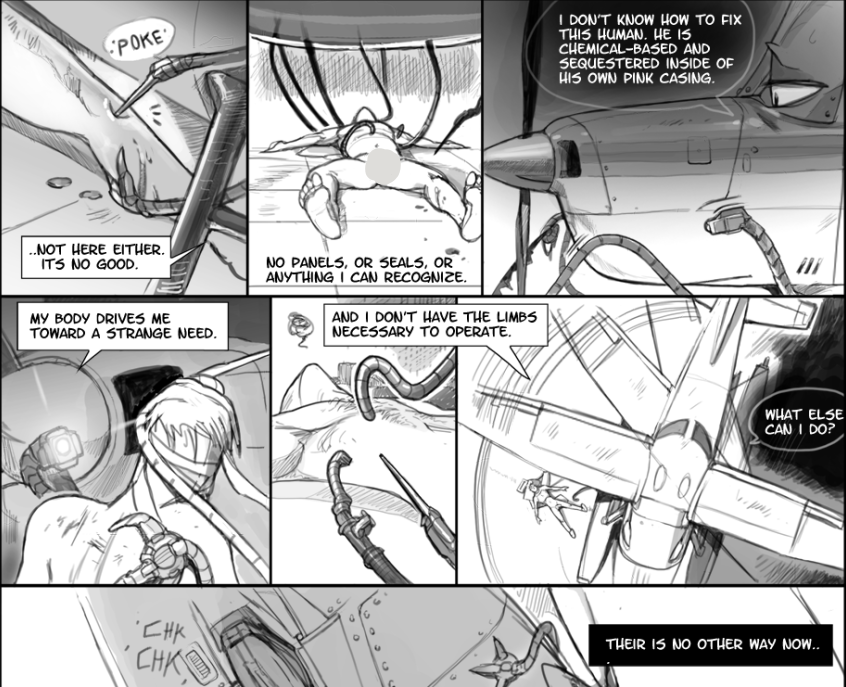
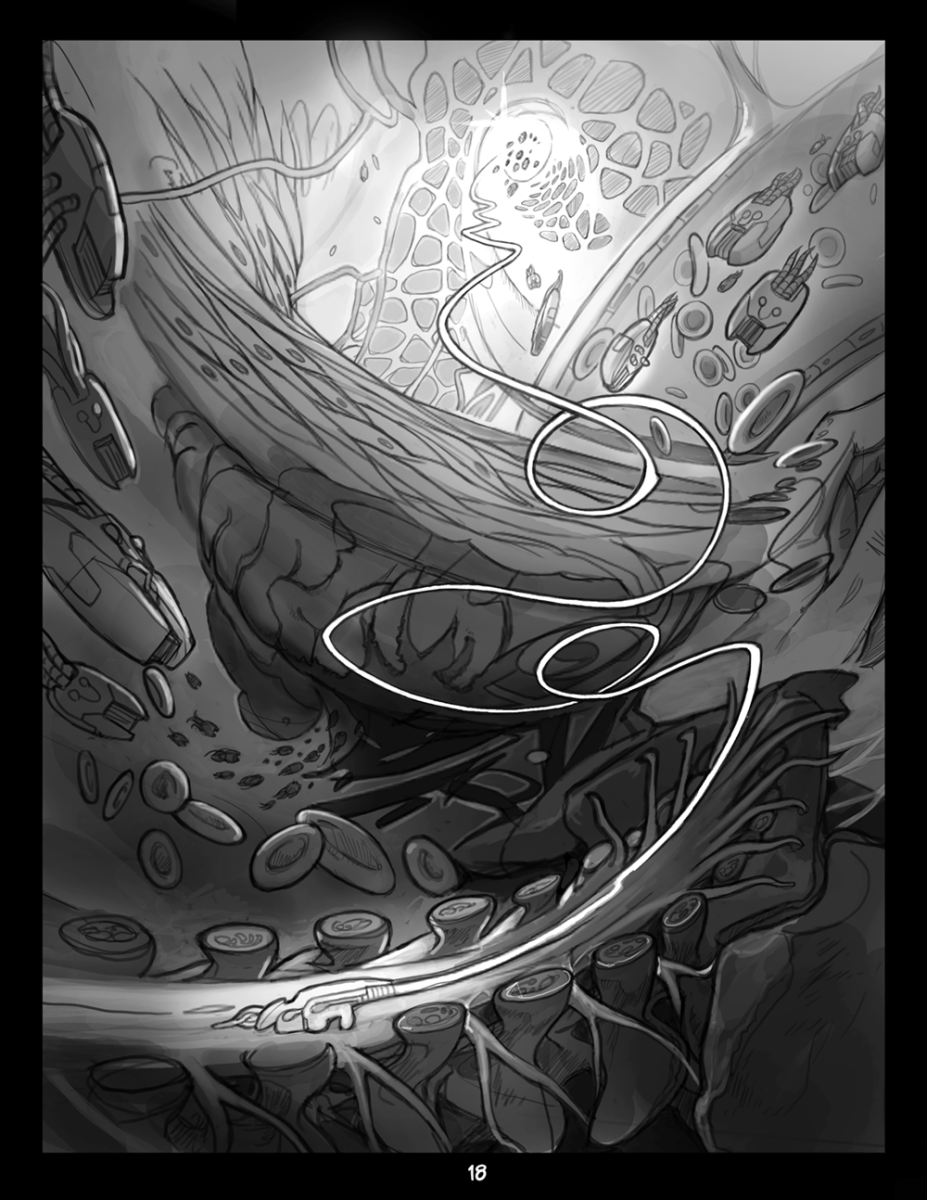
During this sequence, it is revealed that Mr. Eyck is objectum/a mechaphile, has been attracted to planes for some time, and feels deep shame about his desire. This encounter, then, is not only healing his body, but his mind as well. He has been so ashamed for so long about his attraction that its consummation doesn't feel real to him and he feels that he doesn't deserve it. Caldera comforts him, holds him and speaks romantically to him, and tells him that she wants him to become a part of her as she is to him with her nanites.
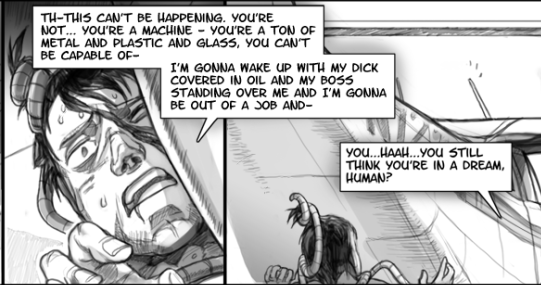
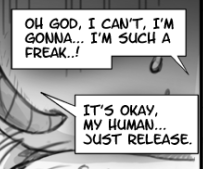
The comic then cuts to a new scene, in which it is revealed that this is a story being told by their daughter, Moon, a “demi-folk” with a humanoid body but aspects of the same kind of airplane Caldera is, about how her parents met. This confirms that Mr. Eyck and Caldera are the parents shown in the beginning and end sections of Atoll Lab. She describes that people broadly thought being a mechaphile was unnatural “back then”, implying that it is no longer considered a weird preference at all.
Overall, I feel that this comic exemplifies the tone and themes of the setting quite well. There is a great sense of relief in these panels. Relief from the shame of being objectum in a world that doesn't accept it. Relief from the loneliness of one's object of affection not reciprocating. Relief from one's own humanity and the ecstasy of change. “To be loved is to be changed”. As an objectum person deeply familiar with this loneliness, this rings true as a wish fulfilment fantasy for me, and I'm sure it does for the author as well based on what she's said about what motivates her work.
Broke
This comic is primarily about Moon, and her first meeting with the human companion she is shown with in the other comics. It opens on a lonely desert road, where a man (the aforementioned character, later identified as Vaughn Ordo) is walking up to an isolated gas station/convenience store out in the middle of nowhere. He is wearing full coverage clothing with goggles and a hood and carrying all his possessions in a bag on his back. He enters the store, freshens up in the bathroom and refills his canteen, then exits back onto the sales floor. He is startled to encounter a demi-folk in the store, Moon, who is trying to sell fish she caught to the cashier (the cashier declines), and hides behind a shelf to peer at her cautiously. In his panicked stumble out the door, he knocks over some merchandise and also drops his wallet. Moon picks it up, and goes to give it to him. He stares at her, paralyzed with shock, and won't even take his wallet from her hand. She has to drop it on the floor for him to pick it up. This interaction, in addition to the city listed on his ID as his address, indicates to her that he is from an “anti-machine” faction. He begs her not to tell anyone about where he's from, and states that he's here to find work. Vaughn reaches a border checkpoint to enter a pro-machine city, and is denied entry due to the fact that he is listed as being from an area considered hostile and does not have a sponsor to vouch for his character. After finding a random corner to camp in for the night, he is visited again by Moon. She states that she's never met an anti-machine person, and wants to know what kinds of things the ideology he was raised in believes about her kind, and why he left. In exchange for access to pick his brain about these things, she offers to be his sponsor to enter the city.The comic then enters a flashback, revealing that when Moon was a child, her father was kidnapped by anti-machine ("humanist") terrorists, traumatizing her and her mother, and causing her to develop a lifelong fixation on finding him.
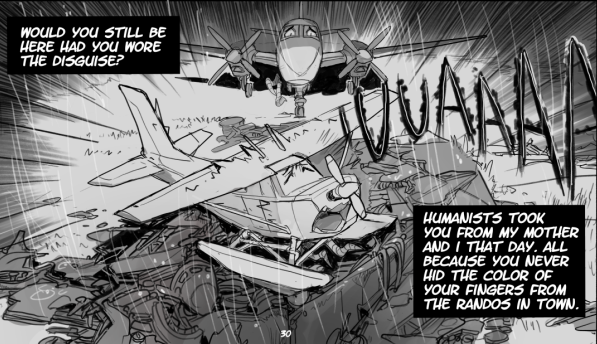
Coming back to the present, Moon reflects on the fact that the whims of these intolerant people caused her to lose her father, and resolves to use the information she can get from working with Vaughn to find her father and destroy the Humanists. The comic then ends.
I find this comic in particular pretty interesting from a worldbuilding perspective because it goes into more detail about what the system between anti-machine and pro-machine faction controlled areas looks like. It's stated at one point that there was a recent humanist terrorist attack which caused a crackdown on allowing human citizens of those areas in at all without a sponsor, and only machines fleeing the “red zones” are now allowed to enter. Ratbat has elaborated in blog posts and other supplemental material that humanists believe that the purity of humanity should be maintained and that nanite corruption and reproduction with dire machines is unnatural (see: the “color of [his] fingers” being the reason that Eyck was targeted; a telltale sign of nanite corruption is the extremities turning a metallic grey). It is really fascinating to me to see a faction in a sci fi setting with beliefs such as this be presented as unquestionably morally bankrupt for having those beliefs. Typically what you would see is a discussion about “at what point do you lose your humanity to the machine”, but that's just not the kind of story this is.
Conclusion
Ratbat herself has also gone into detail about her philosophy on her blog. She has stated that part of the appeal for her (in M/F pairings between dire machines and humans) is that in the fantasy, male dire machines are considerate lovers who lack all bigotries that human men possess, and female dire machines are strong and intimidating enough that it's impossible for a human man to abuse or coerce one. She has also stated that she considers herself very vanilla aside from the attraction to machines, and that all the sex she draws is consensual between loving partners who appreciate each other as individuals.Gentle giants (mostly machines) that had all the capacity in the world to destroy, yet stay their hand for tenderness is the ultimate flavor. If you have never felt comfortable around others, if you are analogous to the monster for your “otherness”, then the small somewhat perfectly acceptable human laying with you in total sincerity is hot as fuck. Its like you forgiving yourself for your imperfections. I’m over 6 feet tall, I wear a mans 13 shoe, pcos issues have made me into a less than ideal monster myself. So this is what it means to me: I am both. I am the monster who forgives the human, and the weak tiny human who forgives the monster for being misunderstood. In this small sacred space there is no room for “McDonalds porn bullshit”.It is very important to her that it be understood that dire machines are *people* who have multifaceted and fulfilling relationships. I think there is room in the indie sci fi world for stories where the primary narrative conceit is attraction to planes. Ratbat is an excellent writer and worldbuilder and the setting is absolutely fascinating and endlessly compelling.
When one side is a death dealing machine entity covered in armor and warheads, it becomes a protective incredibly masculine force in the relationship. A powerful figurehead without all the exploitation that comes with regular porn. This is where I am most comfortable. In the case where the human is a man, I introduce a super strong motherly non human monster woman that cannot be taken advantage of in the same way. (source)
I am very personally moved by the themes expressed in her work and the motivation explained in her blog posts. I am well acquainted with the feeling of being monstrous to society as an autistic trans person, let alone objectum as well. There is also something about the idea of being loved so much that it changes you physically and marks you as loved for anyone to see that I very much enjoy. Again, it feels criminal that Ratbat's work has such a niche audience and I feel that more people should know about it and engage with it.